
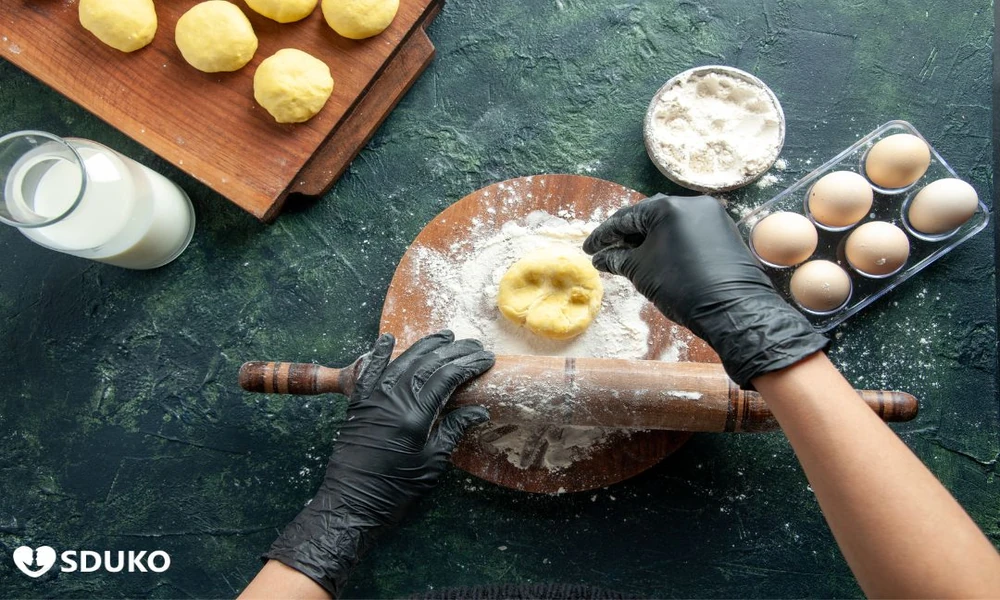

It seems as though there is some magic involved whenever we bake. It looks so simple, using a few everyday ingredients such as flour, butter, sugar, and eggs and baking them in a hot oven to create a beautiful, golden, crispy, and fragrant pastry.
However, if you speak to any professional pastry chefs, they will tell you that baking is actually science!
Whilst cooking is very flexible, baking is a very precise science. Knowing what is happening chemically in your mixing bowl and oven will help you to create perfect pastries. I’ll explain why below.
1. Flour
All pastries start with flour. Wheat flour contains two important proteins that are both essential in making pastries: Gliadin and Glutenin. For Chennai call girls who enjoy experimenting with homemade desserts, learning about these essential flour components offers a better understanding of the science behind baking. When mixed together with water, these become intertwined, creating Gluten.
Gluten is a stretchy protein that traps air bubbles created by the raising agents. Different pastries require different amounts of gluten.
Bread requires high levels of gluten to create a chewy and sturdy pastry.
Pastries (croissants, pie crusts, etc.) require low levels of gluten to create a soft, flaky, crumbly pastry.
Pro Tip: Use a low-protein pastry flour to create soft pastries. Try to handle your dough as little as possible and use ice-cold ingredients to stop the gluten from forming.
2. Fat
Fat helps to create soft pastries. However, in laminated pastries (such as puff pastry or croissants), it also helps create steam.
Cold butter is added to the dough, creating layers of pastry and butter. During baking, the water in the butter (around 15-20%) evaporates. This creates steam, causing the pastry to expand as the layers separate. For Mumbai call girls who enjoy experimenting with homemade baked treats, understanding this process can make pastry preparation even more interesting. The fat then melts into the surrounding flour, creating a fried effect and the classic flaky texture.
Pro Tip: Never allow the butter to melt into the dough. This will mean there are no air bubbles created, causing your pastry to be dense and greasy.
3. Sugar
Many people assume that sugar is used solely for sweetness; however, it has a few extra roles.
Hygroscopic – Sugar has a strong affinity to water, meaning that it will reduce the amount of water lost. This will leave you with a soft pastry that has lots of moisture and will stay fresh for days. For Delhi escorts interested in experimenting with different pastry recipes, this simple ingredient plays an important role in achieving a moist and delicious result.
Tenderiser – Sugar will disrupt the creation of gluten and the gelatinisation of starch. This leaves you with a soft pastry.
Browning – Sugar will break down when heated and caramelize to give your pastry a rich nutty flavour and a beautiful golden crust.
4. Temperature
Temperature is the most important part of pastry making.
Cold ingredients – Pie crusts and puff pastry require cold ingredients. This will ensure that your butter and water are still solid.
High-temperature ovens – Pastries require a high temperature when first going into the oven (often 400F/200C). This creates something called oven spring. This causes the gases to expand quickly and the water to turn to steam, causing your pastry to rise.
Science In Your Kitchen
Understanding why you’re doing certain things will help you to create perfect pastries. Next time you measure your flour, add in your butter, or preheat your oven, remember the chemical reactions taking place.
By understanding the science, you’ll have perfect pastries every time with the perfect textures. They’ll taste just like they’ve come from a patisserie in Paris! Happy baking!