
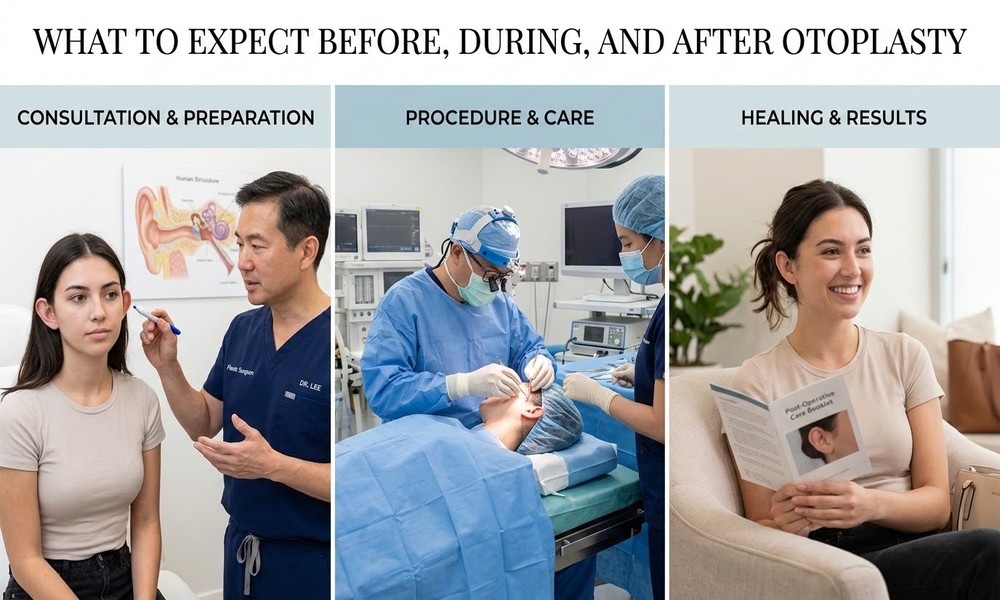

Otoplasty is a surgical procedure that reshapes, repositions, or resizes the ears. Many people consider it when their ears protrude more than they’d like, look uneven, have an unusual fold, or have changed shape after an injury. While otoplasty is often described as cosmetic, the decision can involve more than appearance.
Preparing for ear reshaping surgery means understanding the full process, from the consultation and procedure to recovery, emotional readiness, and long-term ear health. Some patients may also have hearing concerns, ear sensitivity, or a history of ear-related issues that should be discussed before surgery. Knowing what to expect can help patients make informed, realistic decisions.
Understanding What Otoplasty Can and Cannot Do
Otoplasty focuses on the visible shape and position of the outer ear. It may reduce how far the ears project from the head, create or improve natural-looking folds, adjust asymmetry, or repair deformities caused by trauma or development. The goal is usually balance, not perfection.
For patients considering otoplasty surgery in Plano, TX, a consultation with a practice like North Texas Facial Plastic Surgery may include a review of ear structure, facial proportions, medical history, and recovery expectations. This appointment is also a good time to ask about surgical techniques, anesthesia, scarring, and what kind of result is realistic for your ear shape.
Otoplasty does not improve hearing, treat inner ear problems, or correct medical conditions affecting the ear canal or auditory system. Hearing loss, ringing in the ears, chronic ear infections, or ear pressure should be evaluated separately.
The Consultation and Medical Review
The consultation is usually the first formal step. During this visit, the surgeon examines the ears from multiple angles and may take photos for planning. They’ll also ask about prior surgeries, allergies, medications, bleeding history, and any health conditions that could affect healing.
Patients should be ready to explain their goals clearly. One person may want both ears placed closer to the head, while another may want correction for one ear that looks different from the other. Clear communication helps the care team understand what matters most.
The surgeon may also explain incision placement, which is often behind the ear, where scars are less noticeable. They may describe how cartilage is reshaped, folded, or secured with sutures. This is also the time to review possible risks, including infection, bleeding, asymmetry, changes in skin sensation, scarring, or dissatisfaction with the final appearance.
Hearing and Functional Ear Concerns
Some patients pursue otoplasty for appearance but still wonder whether their ear shape affects hearing. Prominent ears usually do not cause hearing loss because hearing depends mainly on the ear canal, eardrum, middle ear, inner ear, and auditory nerve. Still, hearing concerns should not be ignored.
A hearing evaluation can help identify whether there are functional issues that need attention before or after cosmetic ear surgery. Infinity Hearing, for example, provides hearing evaluations, hearing aids, and hearing wellness support for people experiencing hearing changes or communication difficulties. This type of care can be useful for patients who want a fuller picture of ear health beyond appearance.
Signs that may call for a hearing evaluation include asking people to repeat themselves often, turning up the volume higher than usual, struggling to hear in groups, ringing in the ears, or feeling that one ear hears differently from the other. These symptoms are not typically treated through otoplasty, so they should be addressed through the right clinical pathway.
Preparing for Surgery Day
Before surgery, patients usually receive instructions about medications, food and drink, transportation, and hygiene. Certain medications or supplements that increase bleeding risk may need to be paused, but only with guidance from the care team. Patients who smoke or use nicotine may be advised to stop before and after surgery because nicotine can interfere with healing.
It helps to prepare the recovery area at home before the procedure. Soft pillows, easy-to-prepare meals, clean button-up or zip-front shirts, and simple entertainment can make the first few days easier. Since the ears may be bandaged after surgery, clothing that does not need to be pulled over the head is often more comfortable.
Patients should also arrange for a responsible adult to drive them home if sedation or general anesthesia is used. Even when the procedure is outpatient, the first day should be reserved for rest, monitoring, and following the care team’s instructions.
Emotional Preparation and Body Image
Otoplasty can feel deeply personal. Ears are visible, and people who have been teased or self-conscious about them may bring strong emotions into the decision. Emotional preparation means looking honestly at expectations, motivation, and timing.
Some patients may benefit from mental health support before surgery, especially if anxiety, body image distress, or social fears are part of the picture. Alliance Psychology offers emotional preparation and mental health support, which may be helpful for individuals who want to process their reasons for surgery and build realistic expectations before making a decision.
A healthy mindset does not mean having no concerns. It means understanding that surgery can change the ears, but it may not instantly change confidence, relationships, or self-image. Patients should feel informed, supported, and personally ready rather than pressured by others.
What Happens During the Procedure
Otoplasty is commonly performed as an outpatient procedure, though the exact setting depends on the patient, surgeon, and surgical plan. Anesthesia may include local anesthesia with sedation or general anesthesia. The care team will explain which approach is recommended and why.
Once the patient is comfortable, the surgeon typically makes incisions behind the ears. Through these incisions, cartilage may be reshaped, folded, reduced, or secured with internal stitches. The technique depends on the ear’s structure and the desired change.
After reshaping is complete, the incisions are closed, and a dressing or bandage is placed to protect the ears. This bandage helps support the new position and reduce accidental movement. Patients are then monitored as they wake up or recover from anesthesia before going home with instructions.
Early Recovery and Supportive Care
The first several days after otoplasty are focused on protection, swelling control, and rest. Patients may have mild to moderate discomfort, tightness, itching, or pressure from the dressing. Medication and careful positioning can help manage these symptoms.
Surgical support and recovery services, such as those provided through Kimball Health Services, can be part of a broader care plan when patients need coordinated medical support, follow-up guidance, or recovery resources. This may be especially helpful for patients who have other health conditions or who benefit from a more structured recovery environment.
Patients should avoid sleeping on their sides until cleared by the surgeon. They may also need to wear a headband after the first dressing is removed, often at night or during certain parts of recovery. The timeline varies, so written postoperative instructions should be followed closely.
Returning to Daily Activities
Many patients can return to light daily activities within several days, depending on the type of work or school environment. Desk work may be possible sooner than physically active jobs. Children may need extra guidance to avoid rough play or accidental bumps.
Exercise, contact sports, swimming, and activities that could bend or injure the ears are usually restricted for a longer period. Even when pain is minimal, the cartilage and soft tissues need time to stabilize. Returning too soon can increase the risk of swelling, bleeding, or changes in the surgical result.
Follow-up visits allow the surgeon to check healing, remove or adjust dressings, and answer questions. Patients should contact their care team if they notice increasing pain, fever, unusual drainage, spreading redness, sudden swelling, or trauma to the ear.
Long-Term Results and Ear Wellness
Otoplasty results become easier to see as swelling decreases. Early changes are visible right away, but the final appearance may take weeks or months to settle. Minor asymmetry is normal because natural ears are not perfectly identical.
Long-term care includes protecting the ears from injury, following scar care instructions, and keeping up with general ear health. Patients should avoid placing pressure on healing ears and should be careful with helmets, headphones, hats, and hair styling during recovery.
Hearing wellness should remain separate from cosmetic results. If hearing changes develop later, they should be evaluated rather than assumed to be related to surgery. Regular hearing care can support communication, safety, and quality of life, especially for adults noticing gradual hearing difficulty.
Conclusion
Otoplasty is more than a single procedure day. It involves thoughtful consultation, realistic planning, physical recovery, emotional readiness, and ongoing attention to ear health. Patients who understand each stage are often better prepared for the experience.
The best outcomes usually come from asking clear questions, following recovery instructions, and addressing both cosmetic and functional concerns through the right type of care. For people considering ear reshaping surgery, preparation can make the process feel more manageable and the results easier to appreciate over time.