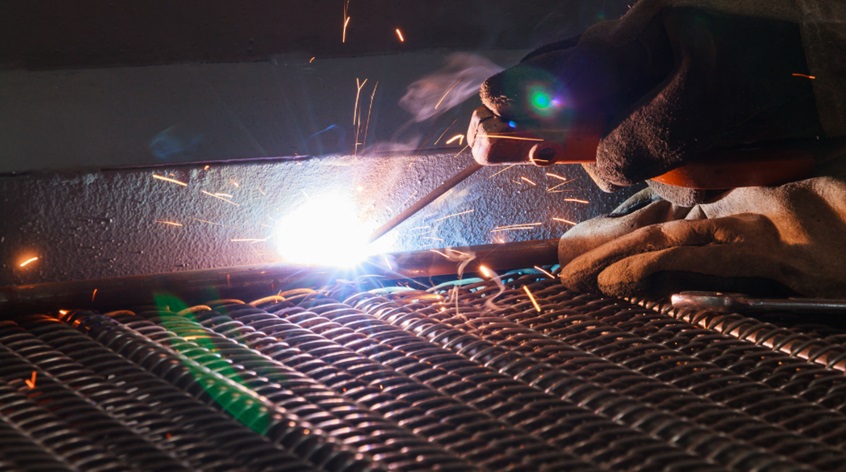
Welding is a critical process in many industries, yet it poses significant health risks due to the fumes generated during the procedure. To mitigate these risks, implementing effective welding fume extraction units is essential. Without these units, workers face potential exposure to harmful substances that can lead to serious health issues.
The Dangers of Welding Fume Exposure
Welding fumes contain a mixture of metal particles and gases, including manganese, nickel, and chromium, which can be hazardous to health. Inhaling these fumes can lead to respiratory problems, neurological damage, and even long-term illnesses such as cancer. The seriousness of these risks highlights the critical need for effective fume extraction systems in the workplace.
Health Implications of Inadequate Ventilation
Without proper extraction systems, welders are at a heightened risk of developing occupational illnesses. Brief exposure may lead to dizziness, nausea, and eye irritation. Over time, continued exposure can cause chronic conditions like asthma and lead to impaired lung function. Therefore, ensuring adequate ventilation and extraction is crucial to protecting workers’ health.
Benefits of Effective Fume Extraction
Utilizing effective welding fume extraction systems protects workers’ health and improves the overall work environment. These systems enhance air quality by effectively eliminating harmful particles and gases. This reduces health risks and improves productivity by creating a safer and more comfortable workspace.
Safe Use of Fume Extractors
For those implementing fume extraction systems, understanding how to use a fume extractor at the workplace safely is vital. Proper usage ensures maximum efficiency in capturing and removing hazardous fumes, safeguarding workers against potential health hazards. Employers must ensure that workers are trained on the correct operation and maintenance of these units.
Legal and Regulatory Requirements
Compliance with occupational safety regulations is mandatory for businesses involved in welding operations. These regulations often require fume extraction systems to protect workers from hazardous exposure. Failure to adhere to these regulations can result in legal consequences, including fines and sanctions, making it imperative for businesses to prioritize safety measures.
Conclusion
The risks associated with welding fume exposure are significant and cannot be overlooked. Implementing effective fume extraction systems is essential for protecting workers’ health and ensuring compliance with safety regulations. By investing in proper extraction units and training, businesses can create a safer work environment, reduce health risks, and improve overall productivity.
Frequently Asked Questions
1. What are the common symptoms of welding fume exposure?
Common symptoms include respiratory issues, eye irritation, dizziness, and nausea. Prolonged exposure can lead to more severe health problems, such as asthma and lung damage.
2. How often should fume extraction units be maintained?
Regular maintenance is crucial for the effectiveness of fume extraction units. Following the manufacturer’s guidelines and conducting periodic inspections is recommended to ensure optimal performance.
3. Are there specific regulations regarding fume extraction in welding?
Some regulations mandate fume extraction in welding to protect workers from hazardous exposure. Compliance with these regulations is essential for workplace safety and legal adherence.